


Universitas Padjadjaran Faculty of Medicine Cares About the Environment
The Faculty of Medicine enhances research capacity in laboratories to support the tridharma of education, particularly in the field of research. The increase in the number of research activities corresponds with a rise in waste generated from laboratory activities. Waste processing must be conducted to prevent environmental pollution, and medical waste, in particular, requires careful handling to avoid negative impacts not only on the environment but also on human health.
Laboratory wastewater encompasses all liquid waste resulting from various laboratory activities, including clinical liquid waste and/or hazardous and toxic materials. This includes wastewater from laboratory and clinical research activities, such as used blood washing water, chemical solutions, and others. Laboratory wastewater generally contains high levels of organic pollutants. Therefore, wastewater from laboratories is separated and collected, then processed through the existing IPAL (Wastewater Treatment Plant).
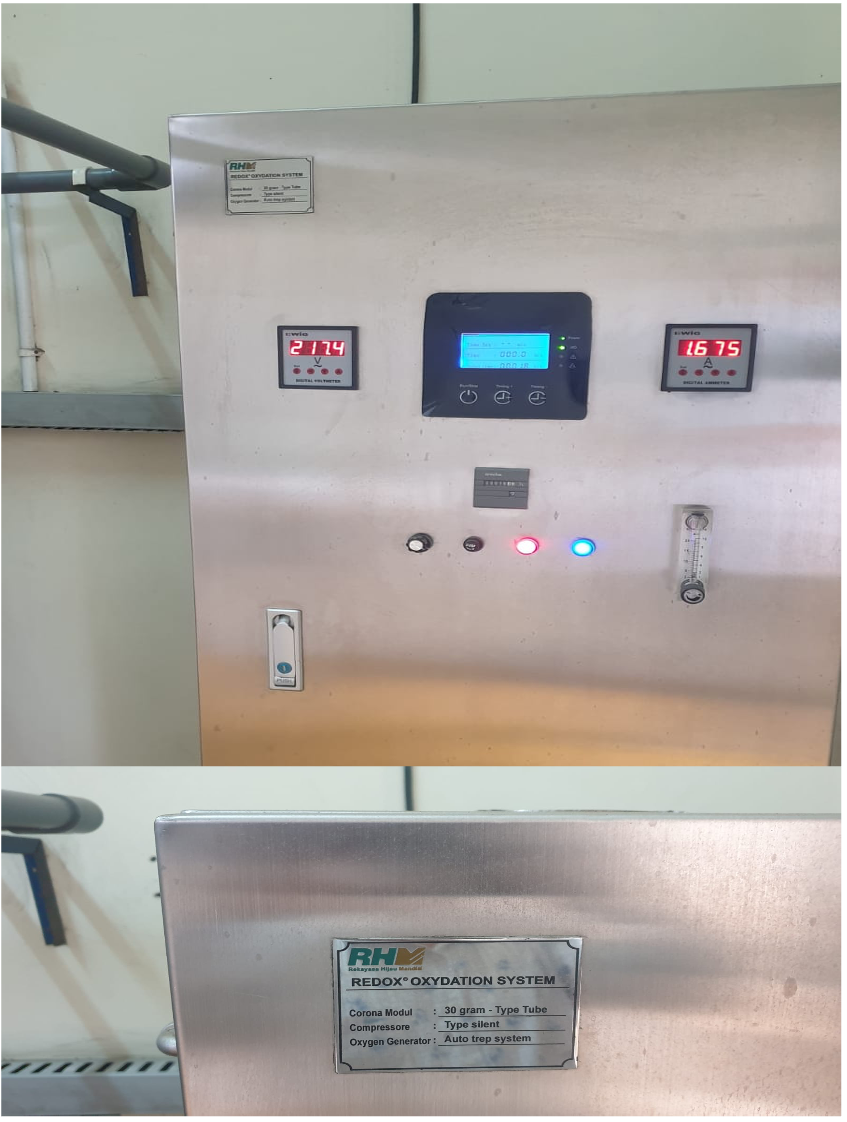
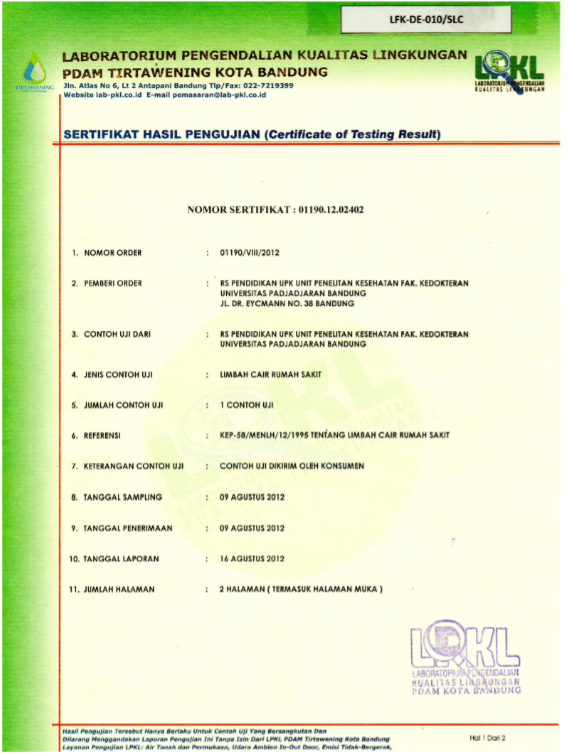
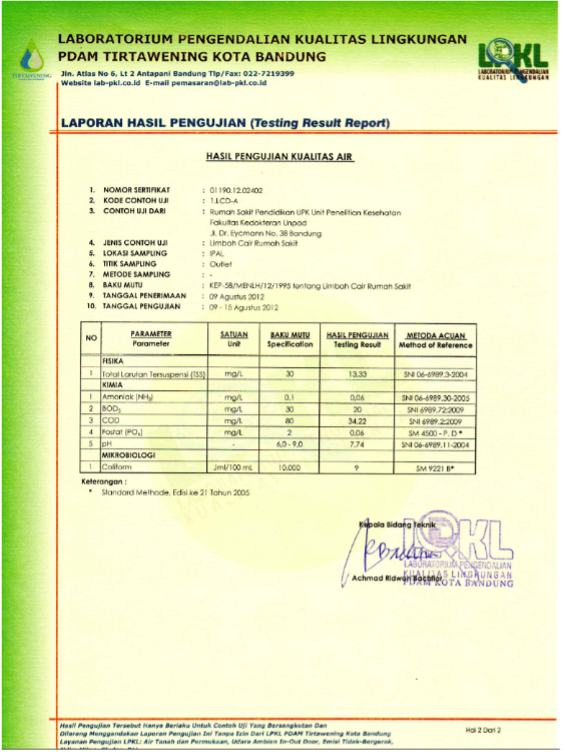
This IPAL facility is designed to ensure that all waste generated from laboratory activities does not cause environmental pollution. The Faculty also performs maintenance on the IPAL and monitors the results or output of the waste processing to ensure that the waste has been treated and is safe before being discharged from the facility.



0 Comments